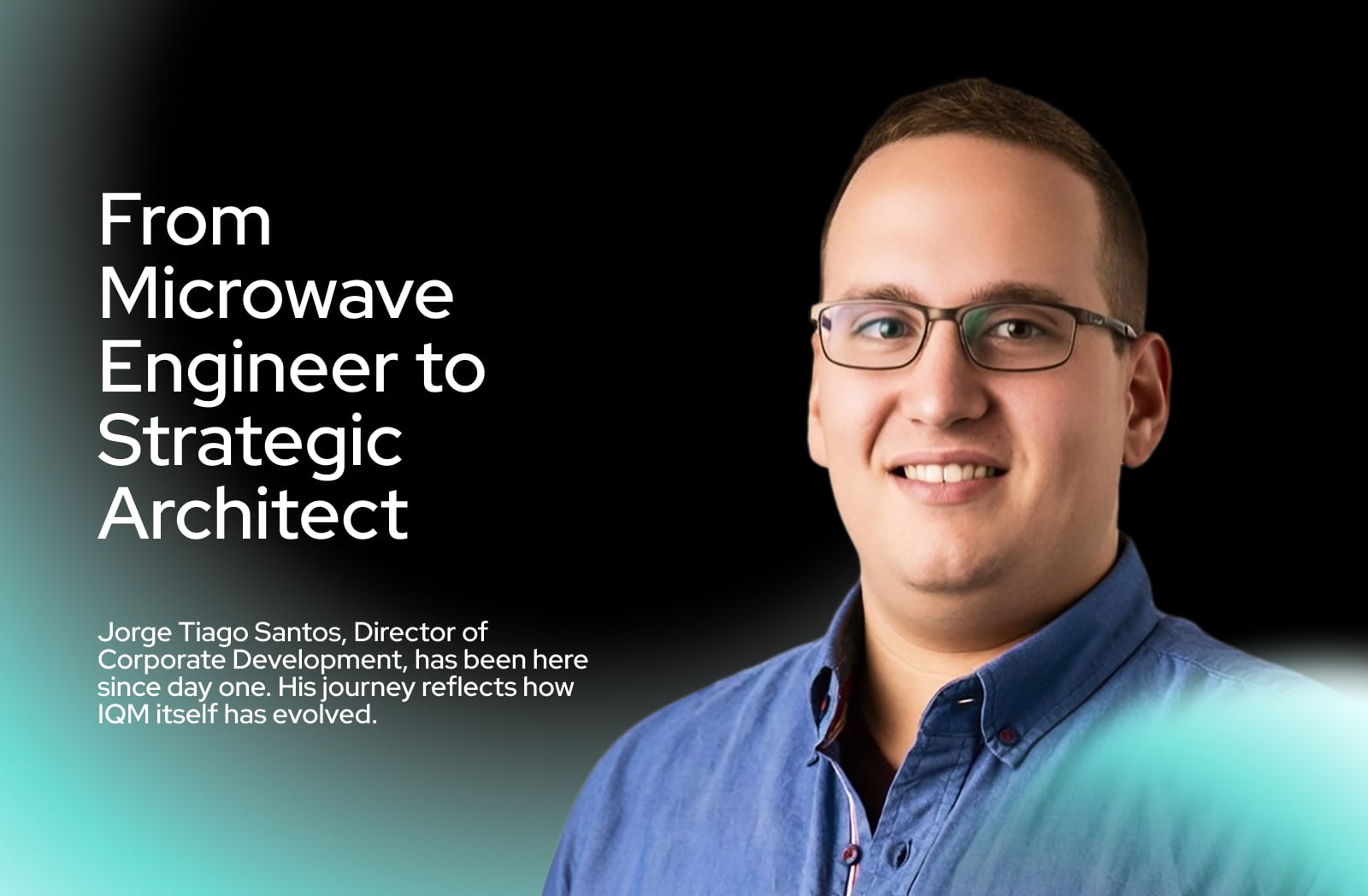
By Jorge, Director Corporate Development
I joined IQM when we were five people in an empty office in Espoo. During my PhD I studied quantum computing, so I knew the field had enormous potential, but the moment I realized, “this is real”, was when we secured our early funding. First the seed round, then the Series A, that’s when it became clear we had what it takes to become a true scale-up.
The early days were very hands-on. We bought and built our own desks, unpacked cryostats that didn’t fit through the door, carried heavy components up the stairs, and improvised solutions to problems no manual could prepare you for. It was chaotic, fun, collaborative, and incredibly motivating.
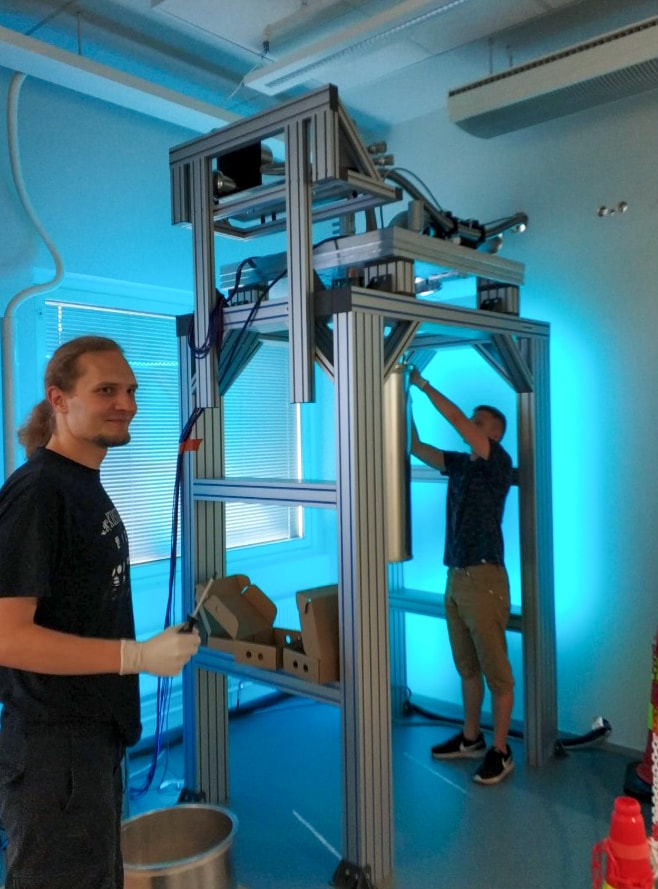
IQMers working on the first IQM system
When I joined in 2019, our focus was still on proving the technology. As IQM grew, that shifted towards building real products. That transition led to the creation of our first product management function, and I stepped into the role to help define product–market fit for Spark, Radiance, and the systems that became the backbone of our early portfolio.
Our first machines — 5, 20, and 54 qubits — were built in close collaboration with institutions like VTT and LRZ. These systems were simple in features but exceptional in hardware quality. That mattered. It proved our architectural choices were right when larger companies later pivoted toward similar approaches. It confirmed we had been ahead of the curve.
Before product, I had worked across electronics, operations, supply chain, and process development, so moving into Strategy & Corporate Development was a natural next step.
Today, I focus on how IQM grows beyond internal R&D, through partnerships, licensing, acquisitions, and expanding our presence in new regions like the US. My journey has evolved with the company itself: from hardware to products to strategy. Each chapter required a different perspective, but all of them centred on the same question:
“ How do we build the foundations for a quantum company that can scale globally?”
IQM today feels like a company entering a new phase. One where quantum and AI are beginning to reinforce each other, and where the work happening inside our teams connects directly to the future of deep tech.
AI is now accelerating quantum development: helping us analyse research, search internal knowledge, and eventually supporting aspects of chip design. At the same time, quantum is becoming a powerful engine for AI, especially in simulations that classical computers can’t handle.
“I believe quantum advantage will come sooner than people expect. Not in one big moment, but in steps, in specific applications. And AI will be a major multiplier in getting us there.”
Inside IQM, you can feel this shift. Hardware, software, algorithms, applications, and HPC computing no longer sit in separate worlds; they feed each other. We’re collaborating across disciplines in a way that reflects where the industry is headed: toward integrated systems, smarter tooling, and real-world use cases. IQM is becoming more global, more connected, and more strategically positioned than ever before.
IQM has given me the rare chance to build new things again and again. Every time the company enters a new chapter, my role evolves with it.
For people joining IQM, my advice is simple:
“Come with expertise, but even more importantly, come with an open mind. Learn how the industry works, ask questions, and stay curious.”
The people who thrive here are people who want to learn fast, build what doesn’t exist yet, and shape a field still taking form.