People often imagine recruitment as something mysterious.
You send an application and somehow “the system” decides.
In reality, hiring at IQM is much more collaborative and thoughtful than that.
And there is one thing I wish every candidate knew:
Interviewers are rooting for you.
We’re not trying to reject you — we’re hoping the conversation goes well so we can hire you.
That mindset alone can make interviews feel a lot less intimidating.
So if you’re considering applying to IQM, here’s what actually happens behind the scenes and how you can prepare.
Because we work in such a specialised field, we take a structured and research-driven approach to finding the right people. When a role opens, we start by aligning with the hiring team on what we are looking for.
That team usually includes:
Together, we define what success in the role looks like and how we will evaluate candidates.
In highly specialised areas like quantum computing, details matter. A profile may look relevant at first glance, but domain expertise can be very nuanced.
That’s why hiring in quantum often involves looking deeper than titles or keywords.
When applications come in, they are reviewed carefully, often together with technical experts. One way I often explain recruitment internally is by comparing it to a scientific process.
You start with a hypothesis, the type of candidate who might succeed in the role.
And finally, you compare the results.
Interestingly, this approach resonates very well with our technical teams. Researchers are used to structured experiments, so they often approach hiring discussions with the same mindset.
Each stage of the process helps answer a different question.
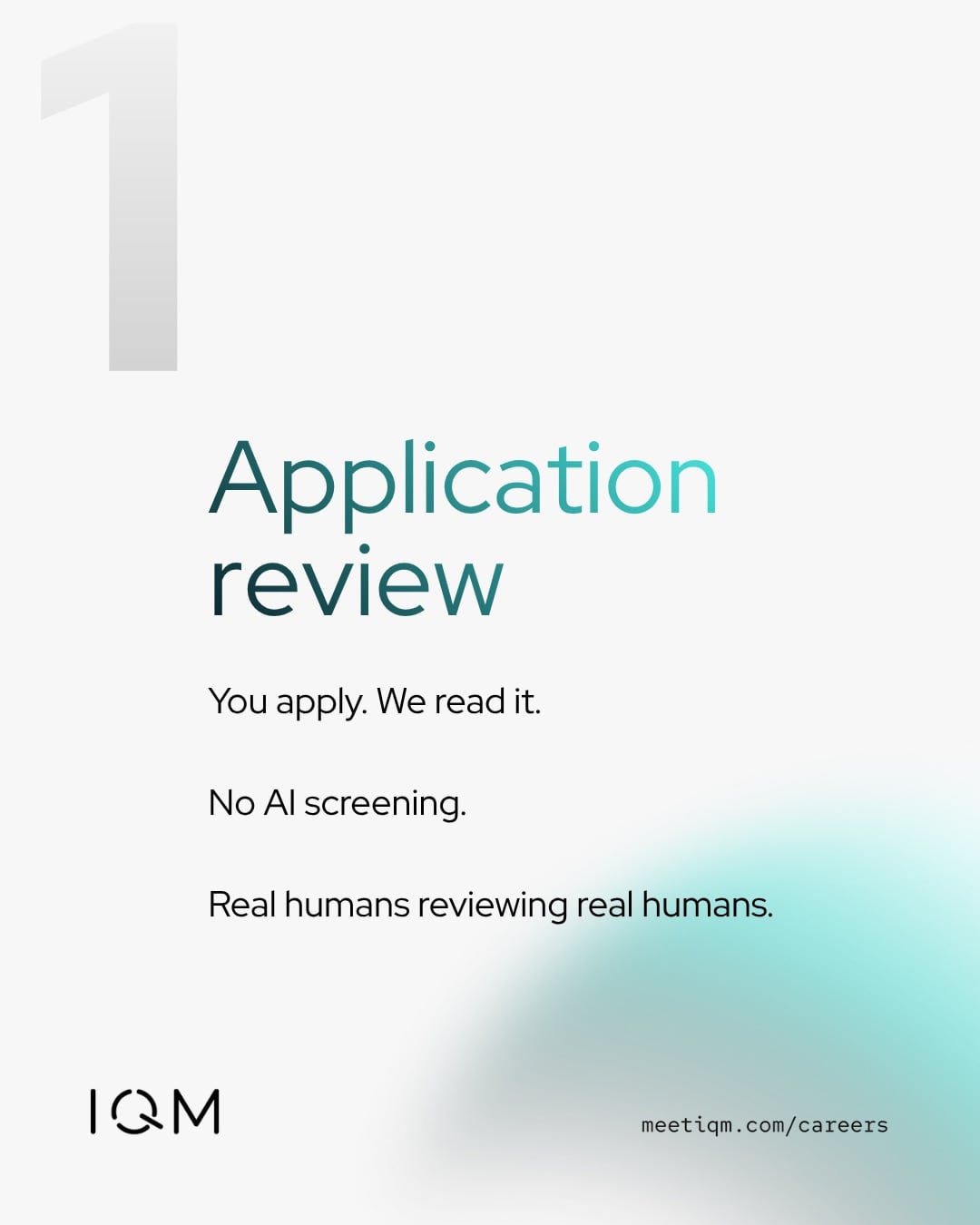
At the beginning, we focus on whether someone has the right foundation for the role.
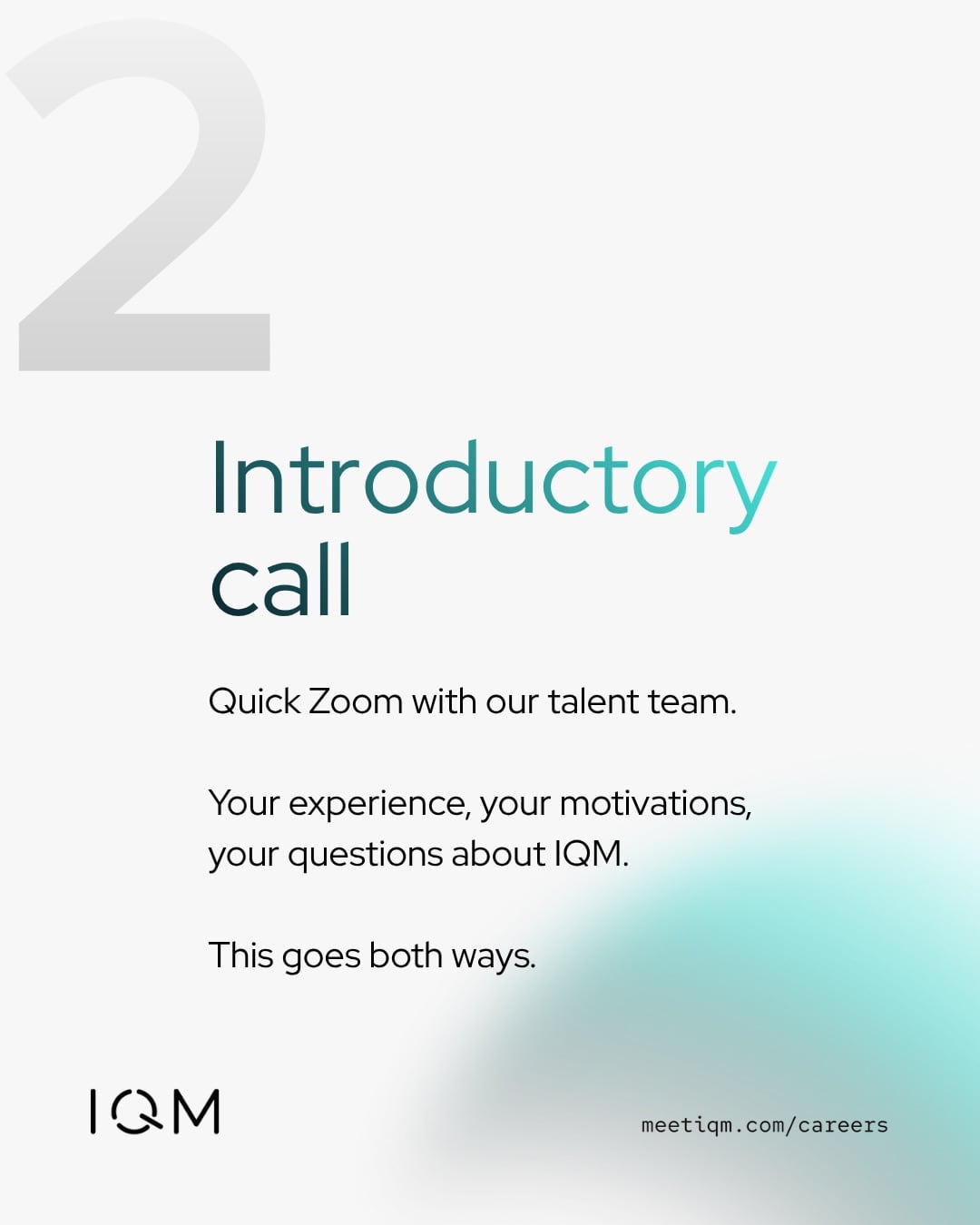
In the first interview, we want to understand the person behind the CV:
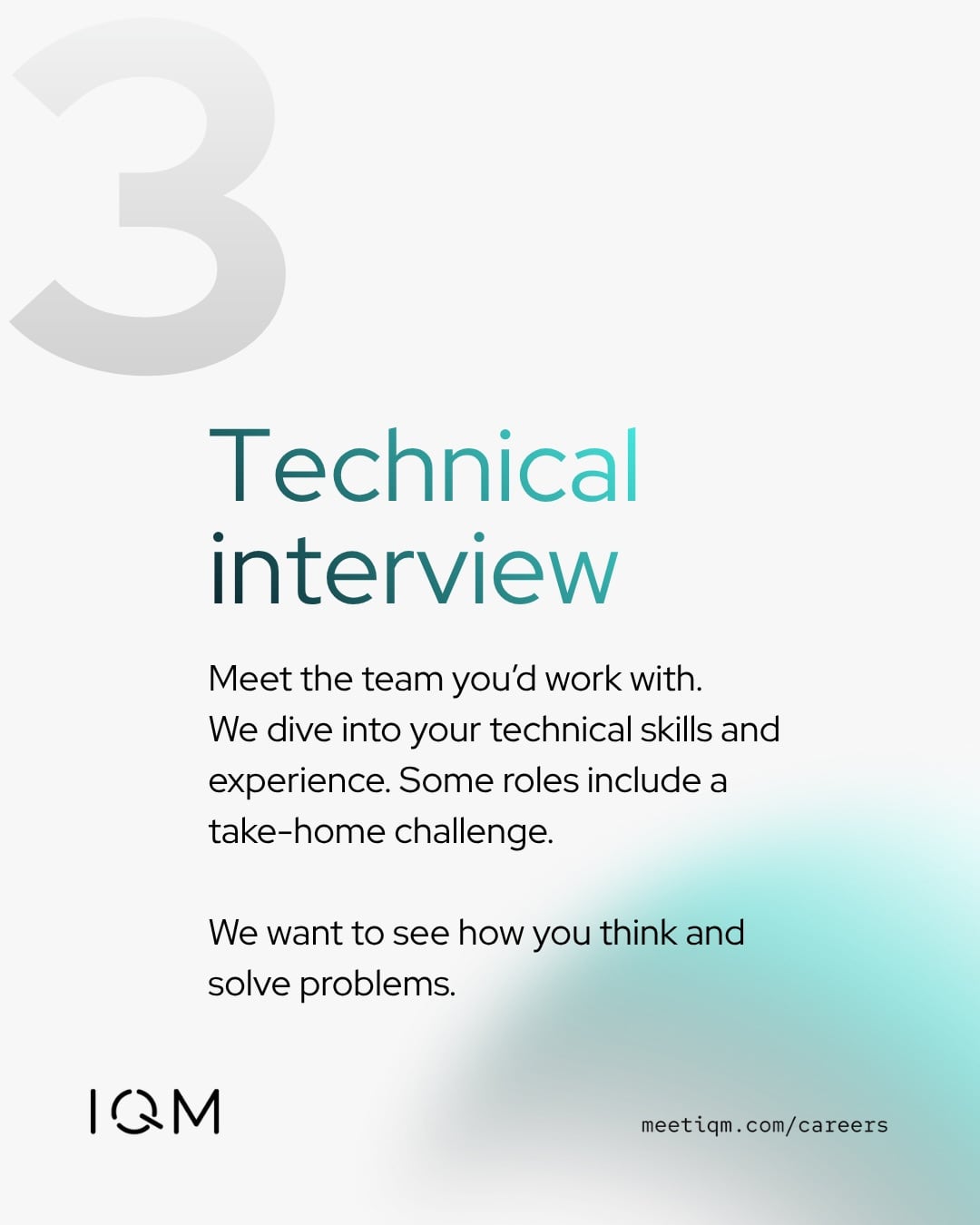
Technical interviews or assignments then focus more on problem-solving, understanding how someone approaches complex challenges and collaborates with future teammates.
Later conversations explore long-term fit, growth potential, and how someone might develop as the company evolves.
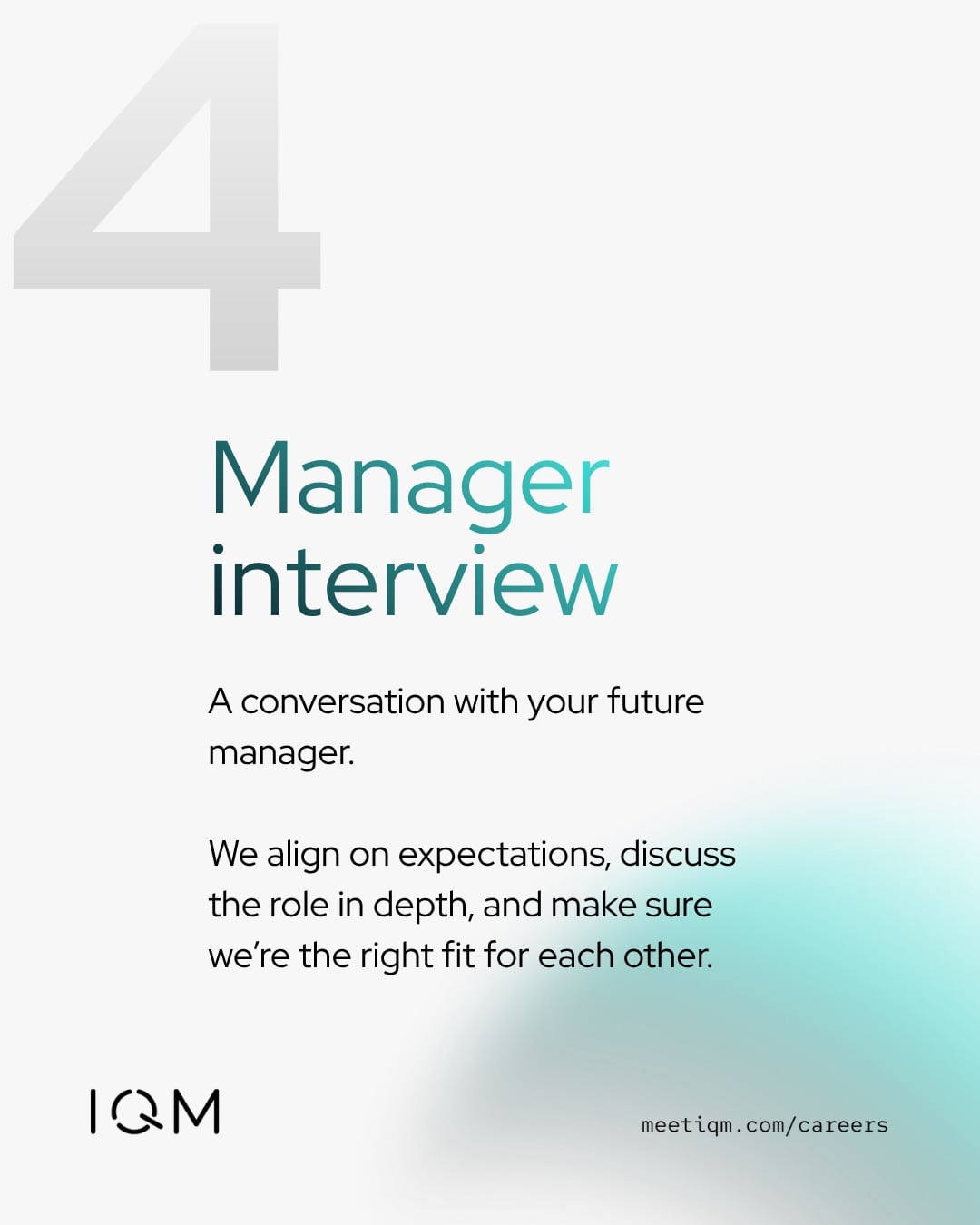
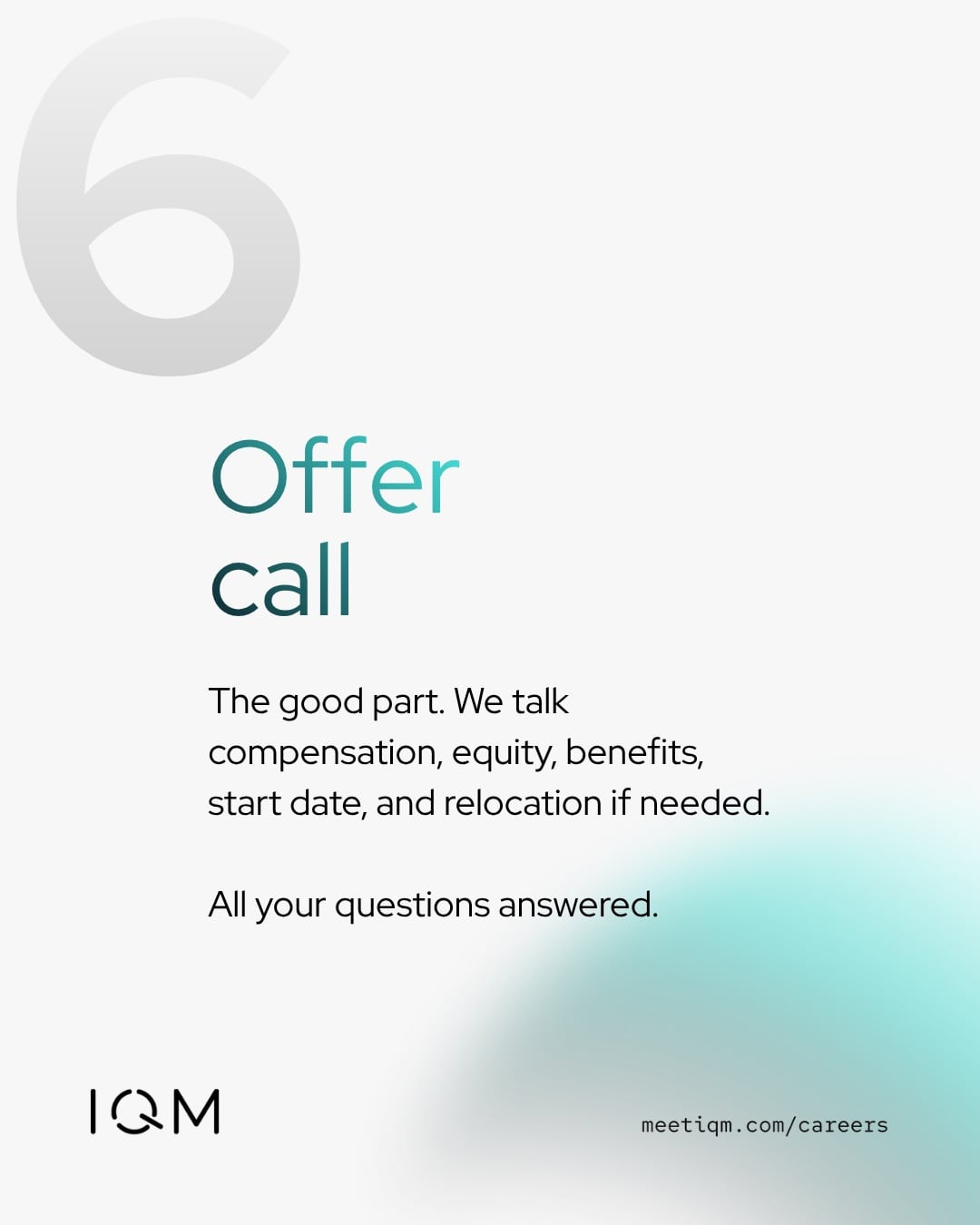
Typically, the whole process takes around 30–40 days from application to offer.
You don’t need to over-prepare. But a little intention goes a long way.
Get curious about what we’re building.
You don’t need a background in quantum computing, but we’d love to see that you’ve explored what IQM does and why it matters. Our blog and recent announcements are a good place to start.
Think about what you’d bring to the mission.
We’re building something that doesn’t fully exist yet. Whatever your role, consider how your experience and skills connect to that kind of challenge.
Be ready to talk about how you work.
We’ll ask about what you’ve done, but we’re just as interested in how you approach problems, collaborate with others, and handle the unknown.
Look into the team you’re joining.
Check out published research, open-source projects, or recent news related to the area you’ve applied for. It helps the conversation go deeper, faster.
Ask us what you actually want to know.
We’d rather hear a genuine question than a rehearsed one. If something about IQM, the role, or the team made you curious, bring it!
And the basics: make sure your tech works if we’re meeting remotely, and check who you’ll be speaking with so there are no surprises on the day.
One last tip many candidates forget: don’t hesitate to ask our Talent Acquisition Partner how to prepare for the next steps of the process.
We’re here to help you succeed.
If you’re considering applying to IQM, it’s helpful to ask yourself one simple question:
Do I enjoy solving difficult problems in an environment that evolves quickly and doesn’t always have clear answers?
For some people, that’s exactly what they’re looking for.
For others, it might not be the right fit — and that’s completely okay.
But if you’re curious, resilient, and motivated by complex challenges, there’s a good chance you’ll enjoy working in quantum. Read more about the equation of a great candidate at IQM.