
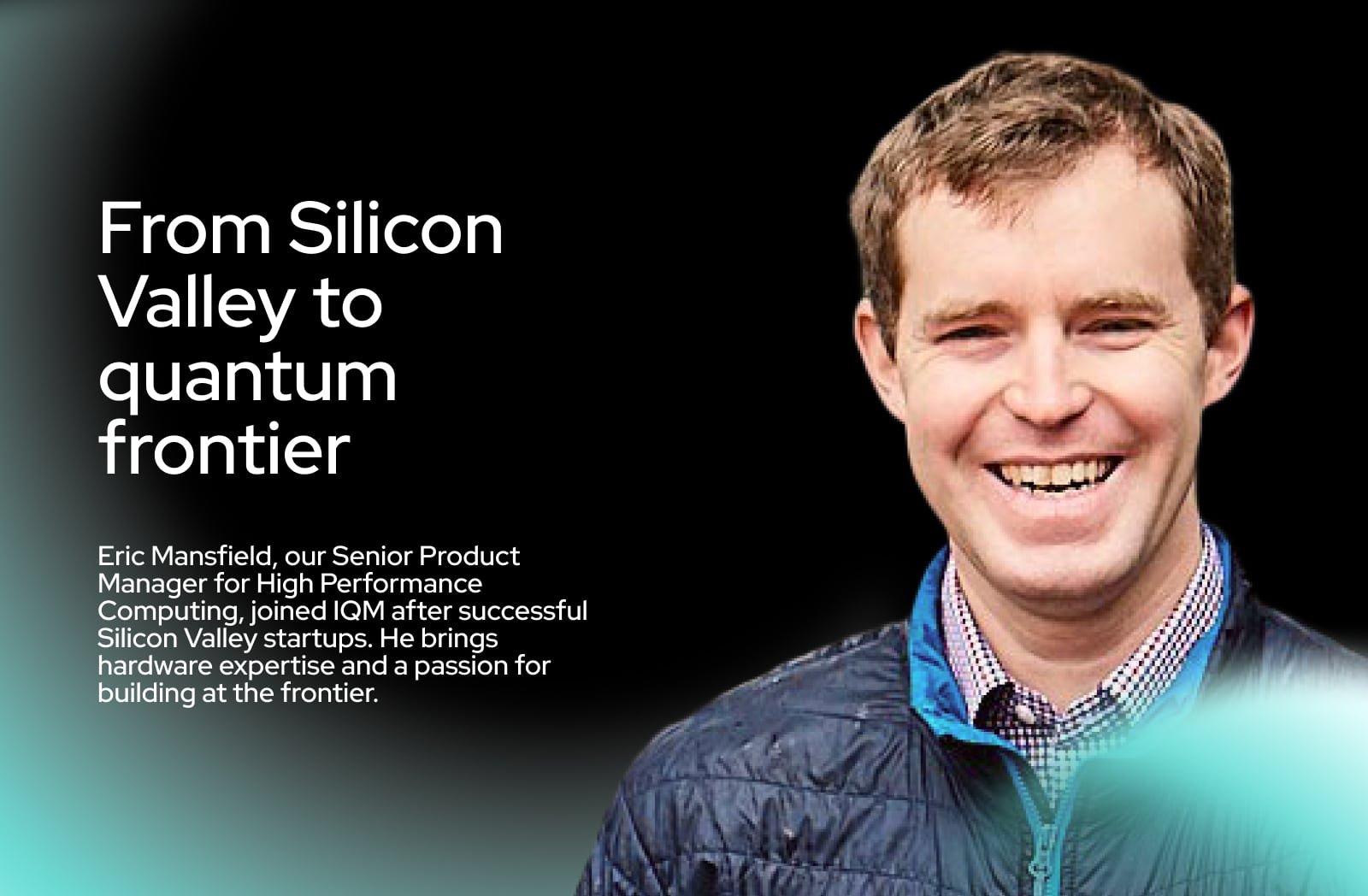
Growing up, I was fascinated by early Silicon Valley startups, especially Fairchild Semiconductor. A small group of engineers took fundamental science, turned the first transistor into a product, and unintentionally laid the foundation for the modern computing industry.
Quantum computing feels like that moment again.
It’s still fundamental science, still early, and still wide open.
“In almost any direction you go, you can be the first person in your field to do it.”
When I co-authored Practical Experiences Installing a Quantum Computer, what excited people most were the practical details, background electrical noise, water pressure, and the size of the doorway, because no one had documented them before.
That’s how early this field is.
I’m part of two international consortia working to standardize how quantum computers integrate with supercomputing infrastructure, one led by Oak Ridge National Laboratory with around 30 institutions, and another within the Munich ecosystem. We publish our findings. We present at conferences. We contribute to a shared foundation that benefits the entire field. Not just for IQM, but for the industry. IQM supports this kind of collaboration because the quantum ecosystem grows stronger when expertise is shared.
I build products for high-performance computing centres, the world’s leading supercomputing facilities.
These organisations face a real constraint: systems keep getting larger and more expensive, but the incremental gains are no longer keeping pace.
The question driving my work is simple: can quantum computing fit into this landscape in a meaningful way? Can it solve certain problems differently, by improving solution quality, reducing cost, or accelerating time to insight?
My approach is customer-first. I spend a lot of time understanding what customers actually need from quantum, and connecting that to what we can genuinely deliver today.
There’s a lot of noise in this space. We focus on substance.
“The first rule on our team is: we do not promote BS.”
I’m an engineer at heart and I’ve always been drawn to technology at the frontier. After graduate school, I started in advanced R&D, but I wanted to be closer to product and execution. So I quit, packed a U-Haul truck, drove to Silicon Valley, and joined my first startup.
We were five people, low on cash, working out of a half-renovated house. We shipped a product and were acquired within a year. Later, I joined a fast-growing startup and launched six products in 18 months alongside leaders who had already built and sold billion-dollar companies. That pace stuck with me. At IQM, you also need to be self-directed and genuinely curious about the technology.
When I joined, I had to immerse myself in reading papers, talking with experts, and building a clear picture of what I understand deeply and where I’m still learning.
“You can be an expert in chip fabrication and know nothing about the latest quantum algorithms or shifting export controls. That’s why it matters that we bring all these disciplines together under one roof.”
Over the past two years, we transformed prototype quantum computers into IQM Radiance, a standardized system with industrial-grade design. That meant working closely with system engineering, QPU development, and electronics to move from lab-grade setups to something robust enough to operate in customer environments worldwide.
My scope is broad: installation, software integration, customer demonstrations, and partnerships. I collaborate daily with software teams, legal, and business development. The work moves fast, and you’re trusted to own your domain.
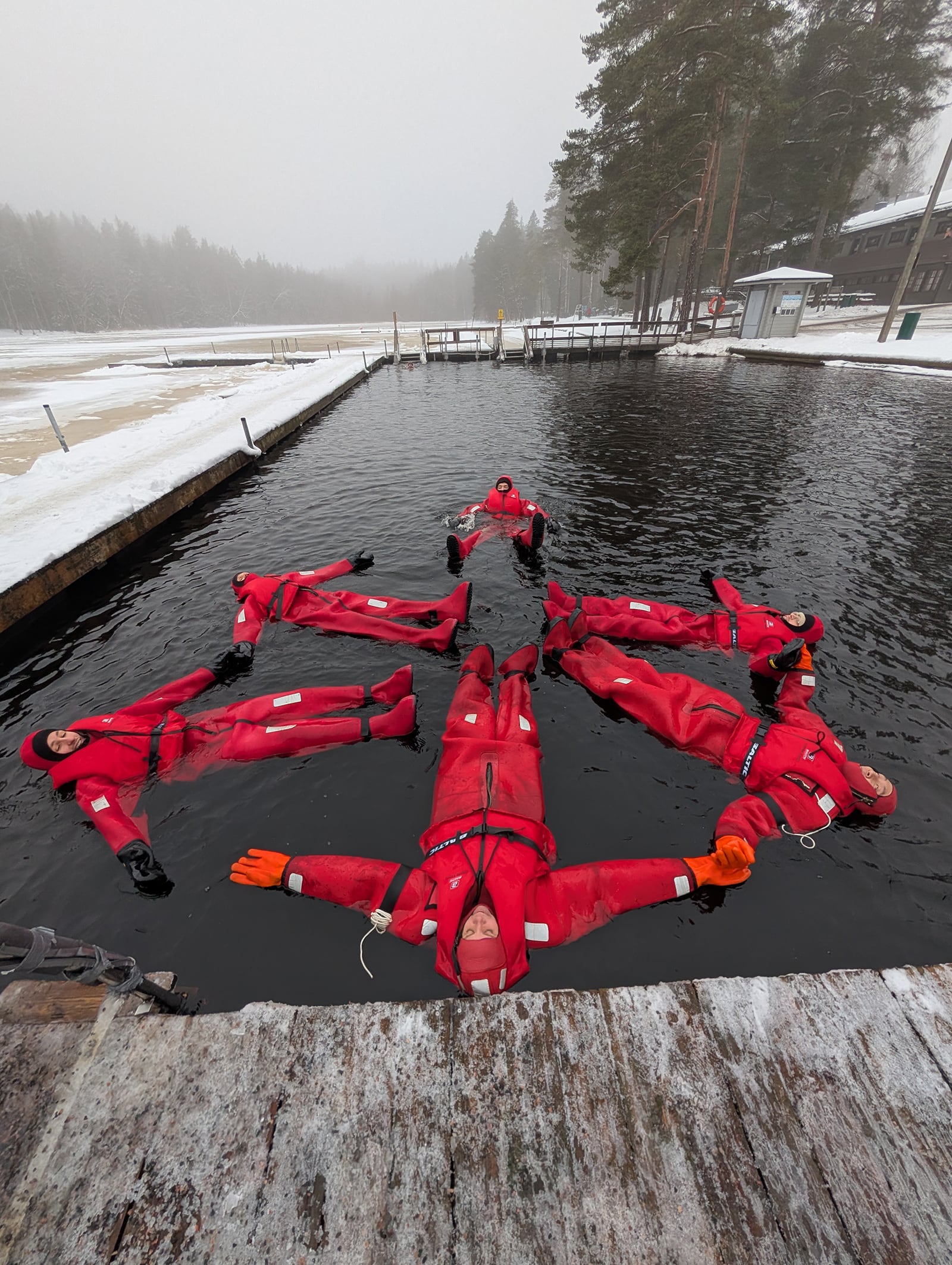
Shared experiences matter, too. Our last team photo? Arctic survival training in Helsinki harbour, dry suits, frozen water, jumping on ice until it broke through.
“The calibre of the people and the quality of the work.”
I know the experts around me. I understand what they bring. And together, we’re building something that matters.
We’re approaching real scientific utility. The progression from NISQ systems toward fault tolerance is happening now, and being part of that evolution is genuinely exciting. When a new paper is published, I find myself asking: how does this move us closer to where the industry is heading?
Ten years ago, IBM put a five-qubit quantum computer on the cloud, and people said, “interesting, but what do we do with it?” Today, there’s serious momentum around useful quantum computing.
“This is a chance to be at the foundation of an industry as it takes shape. The engineers who built Fairchild went on to found Intel. That’s the kind of moment this is.”
The shift is real, and so is the opportunity.